Leicester has a particular rhythm beneath its pavements and behind its plasterboard. Victorian terraces with clay drains sit a few streets from new-build estates with plastic soil stacks and sealed systems. You see cast iron stacks on Narborough Road, interceptors in Clarendon Park, and sealed manholes on the city’s newer fringes. The fabric of the city’s homes shapes the way water moves, how pressure behaves, and why some properties breathe easily while others gurgle and smell. If you understand drains, valves, and vents as a system, most plumbing repairs in Leicester become faster, cleaner, and less costly.
I have spent enough winter nights on callouts in Belgrave and Evington to know what fails under pressure, and why. Below is what matters, how to read the early signs, what a competent plumber checks first, and when you really need an emergency plumber near me rather than a Saturday trip to the merchant.
Why the triumvirate matters: drains, valves, and vents
Think of the plumbing network as a set of three interlocking controls. Drains carry waste and storm water away, valves govern flow and pressure, vents equalise the system so traps stay sealed and odours stay out. If any one of the three loses integrity, the others start compensating in messy ways. A blocked gully puts surcharge stress on a clay run, a missing or failed vent pulls trap water and invites sewer gas into the kitchen, an over-tightened stopcock chokes a combi and makes temperature swing in the shower.
In practice, most breakdowns present as symptoms that do not sit neatly in one category. A homeowner calls about a slow kitchen sink. You find a belly in the drain outside, a grease cap at the bend, a missing air admittance valve on the island, and a gate valve downstream that will not close. Fixing only the obvious blockage ensures a callback. Fixing the system is what ends the problem.
The Leicester context you can’t ignore
Homes here were built in waves. Victorian and Edwardian stock often has salt-glazed clay drains, interceptors with a curved U-trap at the boundary, coal-shoot covers repurposed as makeshift access, and cast iron soil stacks with lead joints. Mid-century houses moved to asbestos cement and then uPVC for soil and vent pipes, with the odd bottle trap shoved under a bath for want of space. Newer estates in Hamilton and Thorpe Astley usually have uPVC stacks, sealed inspection chambers, and air admittance valves at top-floor WCs.
These patterns matter because they define the likely failure modes:
- Clay drains crack at joints and accept root ingress, especially near mature street trees. Interceptors act as choke points and collect wipes and fatbergs, then surcharge during heavy rain. Old lead or brass stopcocks seize, and when forced, fracture at the gland or spindle. Roof vents in exposed positions frost up or get painted shut during a refurb. AAVs gum up after loft conversions if the wrong type or position was used.
Leicester’s water pressure typically lands around 2 to 4 bar in most districts, with some spikes near 5 to 6 bar at night on higher mains or where PRVs are missing. Older copper pipework with compression joints does not thank you for sustained 5 bar. Knowing that, I tend to carry 15 and 22 mm WRAS-approved pressure reducing valves as standard, and I test static and dynamic pressures before I touch a combi fault that could be masking a pressure problem.
What a healthy system sounds and smells like
You know you are in a good place if the system is quiet and odourless. Traps hold water, vents breathe, and drainage lines clear within seconds. Taps open with a crisp start, no hammer, no shudder. Toilets whoosh out and refill cleanly without gurgle. Outside, gullies are free of silt and the water seal is visible. In Leicester’s limestone-rich water, limescale will still collect, but a sound valve layout keeps service simple and risks low.
When those signals go off, take them seriously. A faint whiff near a dishwasher, or a bath that glugs hours after use, usually announces a venting issue or partial obstruction. A valve that needs a quarter turn more each week is telling you a fiber washer is chewing up or the spindle threads are gone. Early attention is cheap. Waiting until a Saturday night party ends with sewage at the back step is not.
Drains: where blockages begin and how to finish them properly
Let me start with drains because they create the most disruption if ignored. In Leicester, recurring blockages usually trace back to either old clay with dips and offsets, or to modern kitchens venting poorly and feeding grease into under-sized lines.
The kitchen sink line is the classic culprit. Grease coats the pipe, then lint, rice, and veg peelings adhere to the grease. The bend at the gully collects it all. If the gully sits too high, only a trickle passes, and cold weather sets the cap hard. I have rodded some where the mass was like candle wax. In such a case, a quick plunge clears symptoms, but a hot-water flush and enzyme treatment, followed by trap reconfiguration to avoid back-siphonage and to smooth the outflow, will stop the callout from repeating in three weeks. Where possible, I re-site the gully grid, lower the outlet to the right fall, and fit a decent trap with a clean-out.
Victorian interceptors deserve special mention. They were designed to stop sewer gas by holding a permanent water seal at the boundary. Today, they act like a fatberg magnet because wipes and grease snag at the bend before the public sewer. The tell is a garden or alley manhole with a little round cap at the benching, the dip full of dark water. If that chamber is full to the crown, your blockage is likely downstream, sometimes in the public domain where Severn Trent takes responsibility. If it is only your line surcharged, the obstruction is between house and interceptor. Removing the interceptor and replacing it with a straight-through channel and a non-return valve is a strong long-term fix if rats have been an issue.
Across Leicester, I see three repeat patterns:
- The gurgle and smell near newly installed island sinks. The island is often too far from a proper vent, and the AAV under the worktop is too low or the wrong type. Result: trap seal loss and odours. Bathroom refits that used tight-bend bottle traps everywhere. Bottle traps clog with hair and soap quickly and are a nuisance to clean compared with a smooth swept P-trap with a union nut and access cap. Yard gullies set high because the new patio build-up ignored the original gully level. The water never gets the right velocity, so silt and grease stay put.
My default approach is to diagnose with both eyes and ears before tools come out. I listen for trap suck, I watch for ripple and reflow, and I lift the nearest cover to see flow direction and silt lines. For internal stacks, I often drop a coloured water test at the highest fixture and time its arrival at the next chamber. If the chamber is clear and flows, the blockage is upstream. If not, I trace downstream to learn if the problem lies past the boundary.
On stubborn lines, high-pressure water jetting is unmatched, but you need restraint on old clay. Too much pressure rips joints or forces water through cracks into the subsoil. I work between 1500 and 3000 psi for domestic lines and back off if the return shows heavy fines, which suggests pipe wear. CCTV is not overkill if you suspect a repeated fault. A quick camera pass finds root ingress at the 5.2 m bend, a dropped joint at 7.8 m, or that oddball junction where a kitchen ties into a bathroom run at a right angle. If a defect is isolated, a short patch liner can save a garden or a tile floor from excavations.
One last Leicester-specific tip: street trees on the older roads send feeder roots into the hairline cracks of clay pipes. If a neighbour has had a root issue, expect yours next. Once roots have entered, annual or biannual root cutting may buy time, but lining or replacement is the durable solution. I have seen roots fill a 100 mm pipe like a brush within a year.
Valves: the small parts that control big risks
Valves are the detail that separates a tidy job from a headache. Stopcocks, isolation valves, pressure reducing valves, check valves, thermostatic mixing valves, and radiator TRVs are small and cheap compared with the cost of water damage or an insurance excess. In Leicester’s hard water, limescale builds in valve seats, spindles, and cartridges faster than many expect.
The main stopcock is the first line of defence. Too often, it is hidden in a dark cupboard behind a kickboard, or in a cellar that floods. Brass stopcocks from the 1960s and earlier often seize. I have watched well-intentioned homeowners and even tradespeople shear a spindle and convert a small drip into a free-flowing jet. If the internally located valve misbehaves, find the external stop tap at the pavement. Leicester pavements have the standard metal lid marked with W or Water. Carry a stopcock key, not a pipe wrench. If that valve also sticks, the water company can attend, but response times vary, and a real emergency calls for a pipe-freeze kit or a saddle valve clamp to hold back flow temporarily until you can change the fitting safely.
Pressure reducing valves are essential if your dynamic pressure runs high. You recognise the need when you hear banging pipes, see dripping from a combi’s pressure relief pipe, or get inconsistent flow at mixers. I like to set PRVs to 3 bar as a sensible balance for most homes here. That protects appliances, reduces nuisance trips on combis, and extends the life of taps and toilets. Always fit these with isolation both sides and a strainer upstream if your line carries grit after street works.
Isolation valves, the humble quarter-turns under sinks and behind toilets, should be fitted so the slot is easily reachable, not buried behind siliconed panels. I replace old screw-slot valves that weep at the spindle with modern full-bore valves that do not choke flow. Mark hot and cold with tape. It saves confusion when things are urgent.
Non-return valves solve two Leicester headaches. First, backflow from surcharged public sewers into basements and low-lying ground floors. Second, back-siphonage risks at hose taps and appliances. A proper double check valve on external taps is not just good practice, it helps with compliance under the Water Supply (Water Fittings) Regulations 1999. Internally, I fit single checks where building layout suggests risk, like a basement WC lower than the rear alley manhole, or where an interceptor has been removed.
Thermostatic mixing valves guard scald risk, especially around older relatives or small children. Part G of the Building Regulations caps bath hot water delivery at 48 C. In the real world, a good TMV also helps in homes where combi overshoot and undershoot make showering unpredictable. Service them annually in hard water areas or replace the cartridge when temperatures start drifting.
If you inherit a heating system with ancient wheel-head valves, and you call a Leicester plumbing and heating firm for a boiler swap, do yourself a favour and discuss upgrading TRVs and lockshields at the same time. Balancing a system and giving rooms proper control pays back every winter.
Vents: quiet heroes against odour and gurgle
Ventilation in a waste system is about air. Water cannot drain cleanly if air cannot replace it. Traps hold a seal of water to block sewer gas from entering rooms. If negative pressure pulls on a trap because there is no available vent, the trap loses water. Then comes the smell and the gurgle.
Traditional venting uses a soil and vent pipe that runs full height and ventilates to open air above the roof. The top is open or guarded with a grill. It must be clear and high enough to keep odours away from windows. On many Leicester semis, the original cast iron stack was cut below roof level during a re-roofing and capped, then an air admittance valve fitted in the loft. That solves some rain ingress risks but creates others if the AAV is not positioned correctly or is undersized.
Air admittance valves have rules. They admit air under negative pressure but do not let air or gas out. They must be accessible for maintenance, must sit at local plumbers near me least 200 mm above the highest spillover level of any appliance connected, and cannot serve as the sole vent if the system needs open venting downstream. If you set an AAV under a sink too low, it will happily wheeze, then stick, then the trap will lose water when a WC flushes. I carry high-capacity AAVs for stacks and compact ones for under-sink installs, but I am picky about positioning. When possible, I prefer a proper open vent to roof, particularly on complex multi-bath homes where simultaneous discharges happen.
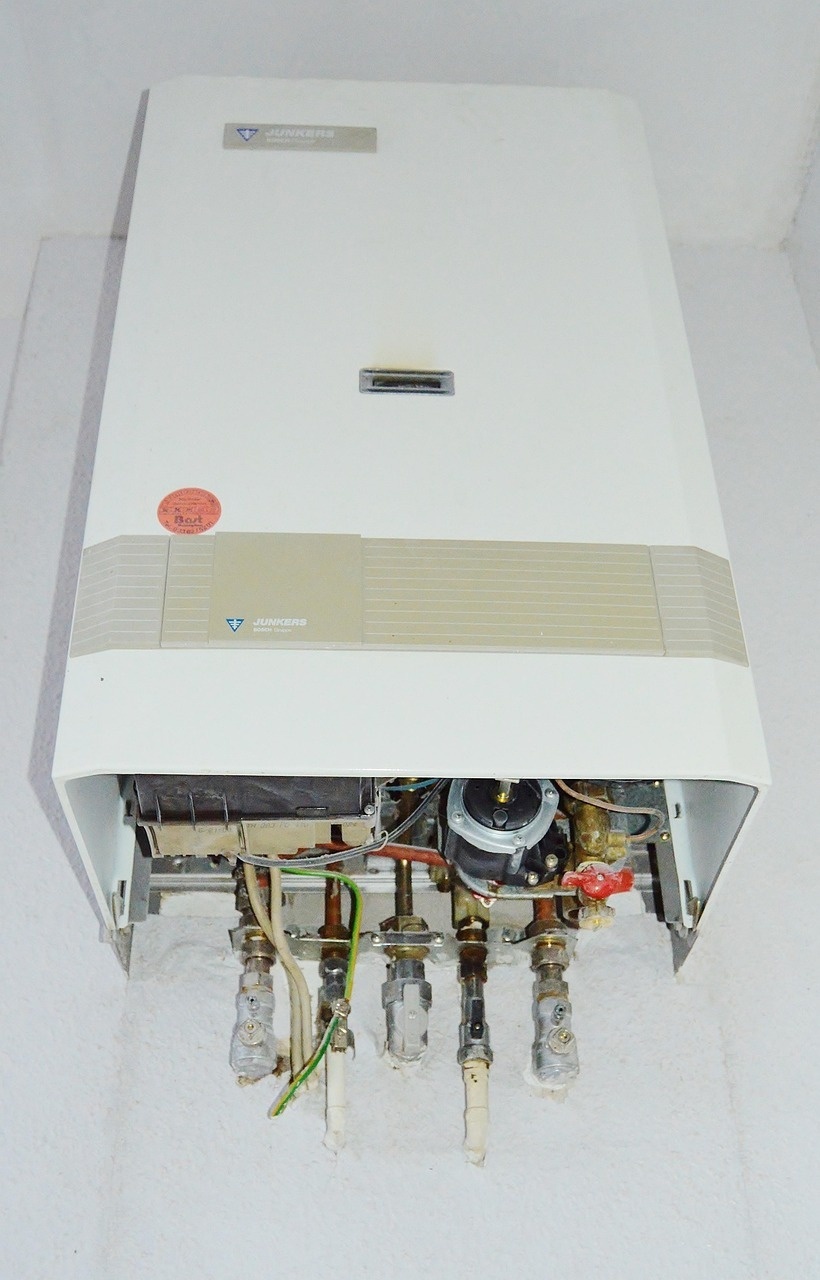
Signs of venting trouble include a bath that drains and pulls the basin trap dry, or a basin that drains too slowly even after clearing the trap. Sometimes the vent stack at roof level is clogged with leaves or a wasp nest. I have seen stacks painted over during a refurb and sealed by accident. A simple check, a quick brush, or a new terminal cap fixes eighty percent of those. The stubborn cases are poorly designed alterations where new bathrooms were connected without regard for venting distance or trap arm length. Fixing that might require re-piping, moving an AAV to the right height, or reinstating the open vent.
Two real-world callouts that taught the same lesson
A Friday afternoon in Clarendon Park, just before a summer downpour, I was called to a terrace with sewage lifting the rear yard cover. The resident had used a drain snake for two days and thought the problem was fixed when the sink ran clear. The interceptor chamber at the boundary was full. I opened the cap and found wipes wedged at the bend. A dozen minutes with a set of rods cleared the plug. The client wanted to cement over the chamber and forget it. We discussed the likelihood of a repeat, the benefit of removing the interceptor and fitting a non-return valve in a new straight channel. That job saved them a Sunday morning flood three months later when the street sewer surged.
Another day in Thurnby Lodge, a loft conversion had added an ensuite. The builder installed an AAV under the basin, at knee height, and connected the shower too far from any vent. The bath gurgled with every WC flush. AAVs often look like magical fix-all devices, but they are not air pumps. We moved the AAV to sit high in the eaves, above spillover height, and re-routed the shower waste to shorten the unvented run. Silence returned, and so did the trap seals.
The emergency moment: what to do in the first few minutes
When a pipe bursts behind a washing machine, or a toilet backs up during a weekend gathering, the difference between a quick mop and a ripped-out floor is usually the first five minutes. Keep a small plan in mind, written on the inside of the under-sink cupboard if need be.
- Turn off water at the internal stopcock, then the external pavement valve if the internal does not hold. Kill electrics in the affected area at the consumer unit if water is near sockets or appliances. Open all taps to relieve pressure, starting upstairs and moving down. Contain and divert water with towels and a bucket, protect thresholds and exposed timber. Call an emergency plumber near me, give clear details, send photos, and keep your phone free.
A competent team of emergency plumbers Leicester wide will ask the right questions on the phone: where is the leak, can you see the pipe, is the boiler affected, is there a smell suggesting sewage or gas, how old is the stopcock. Good information shortens response and brings the right parts, which saves time and cost.
Cost, value, and the myth of the cheapest fix
People search cheap plumber Leicester for obvious reasons. Budgets matter, and some plumbing repairs are straightforward enough that price should be keen. But the cheapest quote that skips diagnosis often ends up dear. Clearing a blocked kitchen gully without inspecting or adjusting the fall means the problem returns. Swapping a leaking isolation valve without checking pressure or water quality sets you up for a repeat failure.
Expect transparent pricing. For small repairs, you might see no callout fees, which is fair for quick diagnosis if you proceed with the job. Leicester plumber no callout charge offers are common in adverts, but always ask what the first hour covers and where rates step. For genuine emergencies at night, a higher rate is standard. Good tradespeople are clear about it up front, and they solve the root cause rather than running the clock.
For context, simple internal blockages might run at a single hour rate plus VAT, external jetting more depending on time on site, CCTV surveys as a fixed fee including report, and patch liners priced per length and setup. Replacing a seized stopcock can be a short job if isolation works, or a longer one if freezing or a new external valve is required. Fitting a PRV and new isolation both sides takes planning and a smart choice of location for access. In each case, a fair price includes parts that are WRAS approved, and work that respects the Water Supply Regulations and Building Regulations Part H and Part G.
Standards and compliance worth knowing
The Water Supply (Water Fittings) Regulations 1999 sit behind many everyday choices. Double check valves on outside taps, fluid category protections at appliances, and material approvals under WRAS are not optional extras. For drainage, Building Regulations Part H guides pipe falls, venting, and access for cleaning. Part G protects scald risk and hot water safety. Leicester Building Control will expect compliance on larger works, but even small repairs benefit from following the rules. They are written from lessons learned the hard way.
When a job touches gas, bring in a Gas Safe engineer. Plumbing and heating often share a cupboard, but they are not the same license. A combi exhibiting low pressure and dripping at the pressure relief pipe may have a system-side problem, a mains pressure problem, or a boiler component failure. A firm that handles Leicester plumbing and heating under one roof can coordinate diagnosis so you do not ping-pong between trades. The right sequence saves money and time.
Tools and methods the good local plumbers near me tend to use
I am wary of magic gadgets, but some tools consistently pull their weight. For drains, a decent set of flexible rods with proper screw joints, a mid-range jetter with variable pressure, and a self-levelling camera with a transmitter for tracing. For valves, a pressure gauge you trust, a freezing kit for the moments you cannot isolate but must work safely, and sets of washers and cartridges for the common local taps and valves. For vents, smoke pellets help reveal leaks and drafts, especially on older stacks and boxed-in soils.
Knowledge of local building quirks counts as a tool. In West End terraces, expect tight runs and thin voids that transmit sound, so you choose fittings and fixings that do not rattle. In bungalows in Oadby, loft spaces get brutally hot in summer and cold in winter, so AAV locations must consider seasonal expansion and contraction. On the Golden Mile, shop kitchens often discharge heavy grease, so interceptor and grease management advice is part of any honest discussion, even if the first job is only to clear a line.
Maintenance that actually prevents callouts
A little scheduled attention reduces the number of times you type plumber near me in a panic. Hard water and weather cycles in Leicester create predictable stresses. Your aim is to keep traps sealed, flows clean, and valves willing.
- Twice a year, pour very hot water, not boiling, through kitchen sinks to soften grease, and follow with a biological drain cleaner at night. Exercise the main stopcock by turning it off and on gently, then check and grease the spindle if needed to prevent seizure. Lift yard gully grids and clear silt, leaves, and hair. Keep the water seal visible and top up if evaporation lowers it during hot spells. Check AAVs for dust and function. If you hear wheezing or smell odour after a big discharge, the membrane may be sticking. Test external PRV output with a gauge, then note if night-time pressure spikes are creeping up. Adjust as needed to maintain around 3 bar.
If you schedule these in spring and autumn, you agree with the seasons rather than trying to fight them. Take photos of valve positions and label dedicated isolation points. When someone else in the house needs to act quickly, labels help.
Case notes from Leicester streets
City centre restaurant, small frontage on Granby Street, big kitchen out back. Complaints of recurring weekend blockages. The kitchen crew was scraping plates into sinks, no grease trap in place, and the gully outside sat level with the new tiled floor. The fix included clearing the line with jetting, lowering the gully to restore fall, installing a compact under-sink grease interceptor, and training staff on plate scraping. Blockages went from monthly to never in the next year. The owner saved on Saturday callouts and got a cleaner kitchen smell.
Semi-detached in Beaumont Leys with a combi showing pressure creep to 3 bar overnight, then discharging through the relief pipe. The homeowner suspected the boiler. A pressure test at the incoming main showed 5.5 bar at night, 3.2 by day. Fitting a PRV at the entry with isolation both sides brought system pressure into line, the boiler stopped dripping, and the taps calmed down. Heating issues vanished without a boiler part being touched.
Terrace in Highfields with a baby in the house. Bath water at the tap measured 55 C, too high. A thermostatic mixing valve went under the bath, set to 43 to 45 C, bath times got safer. While there, I swapped the old screw-slot isolation valves that were weeping at the spindle for full-bore quarter-turns. The small upgrades gave the family easier future maintenance.
New build in Hamilton with a faint smell in the utility room, mostly after the washing machine drained. The installer had used a standpipe and trap but left the venting marginal over a long horizontal run. The trap was losing water. Raising the standpipe height, shortening the trap arm, and adding an AAV at the correct elevation stopped the smell. The homeowner had been burning candles for months. Proper air sorted what perfumes could not.
How to pick help that actually helps
When you type local plumbers near me or emergency plumber near me, you will find dozens of options. Choose based on signals that correlate with quality. A brief phone triage that asks the right questions, clear hourly or fixed rates, evidence of recent similar jobs in Leicester’s housing types, and a willingness to explain both immediate fixes and root-cause options. If a company advertises Leicester plumber no callout charge, check whether diagnosis is genuinely free or is rolled into the first hour. Neither is wrong, but clarity matters.
Ask about parts. WRAS approval is not bureaucracy for bureaucracy’s sake. It is how you avoid plastics that leach taste into drinking water, or valves that seize after six months. For drainage repairs, ask about warranty on patch liners and how they verify curing. For venting, ask why an AAV was chosen over reinstating an open vent. If the answer is only that it is cheaper, push further. Cheaper today is not always cheaper across the life of the home.
Edge cases that trip even seasoned hands
Not every house plays by the book. A back-to-back terrace with shared stacks can mask the source of smells and gurgles, because negative pressure from your neighbour’s discharge can affect your traps. Solutions there include ensuring your traps are robust, adding local venting where appropriate, and sometimes agreeing on a shared fix at the party wall.
Loft conversions create long horizontal wastes at shallow falls. Builders squeeze pipes into tricky voids, and a 1 in 80 fall becomes 1 in 200 in places. Solids lag water, or water outruns air. If you must use a shallow fall, keep runs short, use swept bends, and provide access points. I have found many long, flat shower runs under new floors that look lovely until hair and soap collect into a mat long enough that only a camera finds it.
Basements in Leicester are patchy. Some are dry, some damp, some tanked. When a basement toilet sits below the nearest manhole, a pump or a backwater valve must be part of the conversation. A passive non-return valve works until a big storm overwhelms it. A pumping station with alarms and regular maintenance is the robust solution where gravity cannot help.
When a plumber is not enough
Some problems live at the interface with other trades. Drains that cross tree roots need arborist input on how to protect both pipe and tree. Yard levels that hold water and foul smell after a storm call for a landscaper to rework falls. Penetrations through fire-stopping in flats must be re-sealed to code. A good plumber knows when to bring in others and will say so.
Plain talk on responsibility
Homeowners often ask what belongs to them and what the water company should handle. As a rule, once beyond your boundary, shared sewers and public lines are Severn Trent’s role. That does not mean every blockage beyond your fence is theirs to clear today, but it does mean you should not pay for excavation in the pavement. Inside your boundary, you own the problem, but I expect a good contractor to check boundary chambers so you do not pay for what is not yours.
Final thoughts you can act on
If you live in Leicester, your home’s drains, valves, and vents are under the combined pressures of hard water, varied building ages, and weather swings that exploit weak links. The art of reliable plumbing repairs is to fix the symptom and the cause without overcomplicating things. Clear the gully, then set the fall right. Replace the valve, then set pressure to a healthy level. Quiet the gurgle, then give the system the air it needs.
When you search plumbers near me, look for signs of method, not just speed. When you find a plumber who explains the why as well as the what, keep their number. And when something begins to smell, rattle, or balk, act before it becomes a headline in your own home.
Local Plumber Leicester – Plumbing & Heating Experts
Covering Leicester | Oadby | Wigston | Loughborough | Market Harborough
0116 216 9098
[email protected]
www.localplumberleicester.co.uk
Local Plumber Leicester – Subs Plumbing & Heating Ltd deliver expert boiler repair services across Leicester and Leicestershire. Our fully qualified, Gas Safe registered engineers specialise in diagnosing faults, repairing breakdowns, and restoring heating systems quickly and safely. We work with all major boiler brands and offer 24/7 emergency callouts with no hidden charges. As a trusted, family-run business, we’re known for fast response times, transparent pricing, and 5-star customer care. Free quotes available across all residential boiler repair jobs.
Service Areas: Leicester, Oadby, Wigston, Blaby, Glenfield, Braunstone, Loughborough, Market Harborough, Syston, Thurmaston, Anstey, Countesthorpe, Enderby, Narborough, Great Glen, Fleckney, Rothley, Sileby, Mountsorrel, Evington, Aylestone, Clarendon Park, Stoneygate, Hamilton, Knighton, Cosby, Houghton on the Hill, Kibworth Harcourt, Whetstone, Thorpe Astley, Bushby and surrounding areas across Leicestershire.
Google Business Profile:
View on Google Search
About Subs Plumbing on Google Maps
Knowledge Graph
Latest Updates
Follow Local Plumber Leicester:
Facebook |
Instagram

Visit @subs_plumbing_and_heating on Instagram
Gas Safe Boiler Repairs across Leicester and Leicestershire – Local Plumber Leicester (Subs Plumbing & Heating Ltd) provide expert boiler fault diagnosis, emergency breakdown response, boiler servicing, and full boiler replacements. Whether it’s a leaking system or no heating, our trusted engineers deliver fast, affordable, and fully insured repairs for all major brands. We cover homes and rental properties across Leicester, ensuring reliable heating all year round.
❓
Q. How much does a plumber cost in Leicester?
A. The cost of hiring a plumber in Leicester typically ranges from £70 to £120 per hour depending on the type of work required. Smaller plumbing repairs such as fixing a leaking tap, replacing pipe fittings, or resolving pressure issues may cost between £80 and £200. More complex jobs involving heating systems or major plumbing repairs can range from £150 to £400.
❓
Q. When should I call an emergency plumber in Leicester?
A. You should contact emergency plumbers in Leicester if you experience urgent plumbing issues such as burst pipes, major water leaks, blocked drains, or a complete loss of heating or hot water. Emergency plumbing problems can quickly cause property damage if not addressed, so it is important to have a qualified plumber inspect and repair the issue as soon as possible.
❓
Q. What plumbing services do plumbers in Leicester usually provide?
A. Most plumbers in Leicester provide a wide range of plumbing and heating services including leak detection, pipe repairs, radiator repairs, boiler diagnostics, blocked drain clearance, and general plumbing repairs. Many plumbing companies also provide emergency plumbing services to deal with urgent issues that cannot wait.
❓
Q. Why do plumbing repairs need to be carried out quickly?
A. Plumbing problems can worsen quickly if ignored. A small leak or pressure issue can eventually lead to pipe damage, water damage, or mould growth within the property. Carrying out plumbing repairs early helps prevent more expensive problems and keeps your plumbing system working efficiently.
❓
Q. Can I find a cheap plumber in Leicester without sacrificing quality?
A. Many homeowners look for a cheap plumber in Leicester who still offers reliable service and professional workmanship. The best approach is to compare reviews, check qualifications, and request a clear written quote before work begins. A reputable plumber should offer fair pricing while maintaining high standards of plumbing repairs and customer service.
❓
Q. What are the most common plumbing problems in UK homes?
A. The most common plumbing issues include leaking taps, damaged pipework, blocked drains, low water pressure, faulty radiators, and heating system faults. These problems are often caused by ageing plumbing systems, worn components, or debris build up within pipes.
❓
Q. What qualifications should a professional plumber have?
A. A qualified plumber should have recognised plumbing training such as NVQ Level 2 or Level 3 in Plumbing and Heating. If the work involves boilers or gas appliances, the engineer must also be Gas Safe registered. Checking qualifications ensures the plumber is trained to carry out plumbing and heating work safely.
❓
Q. What does Leicester plumbing and heating services include?
A. Leicester plumbing and heating services typically include pipe repairs, leak detection, radiator repairs, boiler servicing, heating system diagnostics, and general plumbing maintenance. These services help ensure water systems, heating systems, and drainage systems operate efficiently within a property.
❓
Q. Do some plumbers in Leicester offer no callout charges?
A. Yes, some companies advertise a Leicester plumber with no callout charge. This means the plumber will attend and assess the issue without charging a separate attendance fee, and you only pay for the plumbing repairs carried out. This can be beneficial when you need a plumbing problem inspected before deciding on the repair work.
❓
Q. How can I prevent plumbing problems in my home?
A. Preventing plumbing issues involves regular maintenance such as checking for leaks, maintaining proper water pressure, and addressing minor plumbing repairs before they become more serious. Periodic inspections of pipework, heating systems, and drainage can help keep plumbing systems working efficiently and avoid unexpected breakdowns.
What does Subs Plumbing & Heating Ltd Do?
Subs Plumbing & Heating Ltd provides plumbing services in Leicester
Subs Plumbing & Heating Ltd delivers Leicester plumbing and heating services
Subs Plumbing & Heating Ltd specialises in plumbing repairs
Subs Plumbing & Heating Ltd offers emergency plumbers in Leicester
Subs Plumbing & Heating Ltd operates as local Leicester plumbers
Subs Plumbing & Heating Ltd provides cheap plumber Leicester solutions
Subs Plumbing & Heating Ltd repairs burst pipes
Subs Plumbing & Heating Ltd fixes leaking taps
Subs Plumbing & Heating Ltd resolves low water pressure issues
Subs Plumbing & Heating Ltd clears blocked drains
Subs Plumbing & Heating Ltd replaces damaged pipework
Subs Plumbing & Heating Ltd carries out general plumbing repairs
Subs Plumbing & Heating Ltd resolves toilet and cistern faults
Subs Plumbing & Heating Ltd repairs pipe leaks and water leaks
Subs Plumbing & Heating Ltd resolves water pressure problems
Subs Plumbing & Heating Ltd installs bathroom plumbing systems
Subs Plumbing & Heating Ltd installs kitchen plumbing systems
Subs Plumbing & Heating Ltd installs taps, sinks and pipe fittings
Subs Plumbing & Heating Ltd restores heating and hot water systems
Subs Plumbing & Heating Ltd diagnoses heating system faults
Subs Plumbing & Heating Ltd repairs radiators not heating properly
Subs Plumbing & Heating Ltd resolves hot water supply problems
Emergency plumbers Leicester repair urgent plumbing problems
Plumbing repairs prevent property water damage
Leicester plumbing and heating services maintain safe water systems
Professional plumbers improve plumbing system reliability
Cheap plumber Leicester services provide cost effective plumbing repairs
Leicester plumber no callout charge services support transparent pricing
Local Area Information for Leicester, Leicestershire